





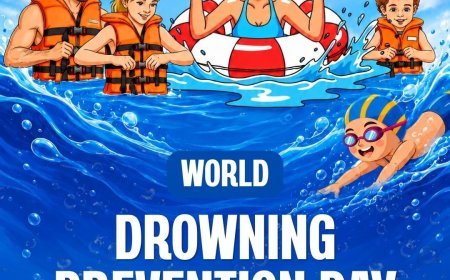


World Drowning Prevention Day - Turning the Tide: Global Launch of the PROTECT Framework
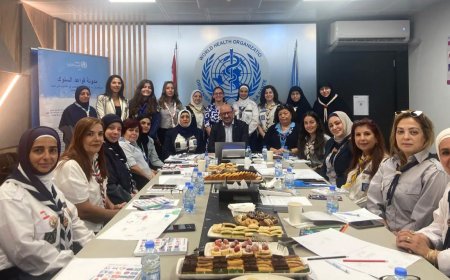
Ahead of World Drowning Prevention Day, the World Health Organization (WHO) launched the PROTECT technical package in Accra, Ghana. This framework introduces seven data-driven strategies to combat the global crisis of nearly 300,000 annual drowning deaths. With over 90% of fatalities occurring in low- and middle-income countries, and climate change driving up risks through heatwaves and floods, these interventions provide a vital roadmap for governments and local communities.

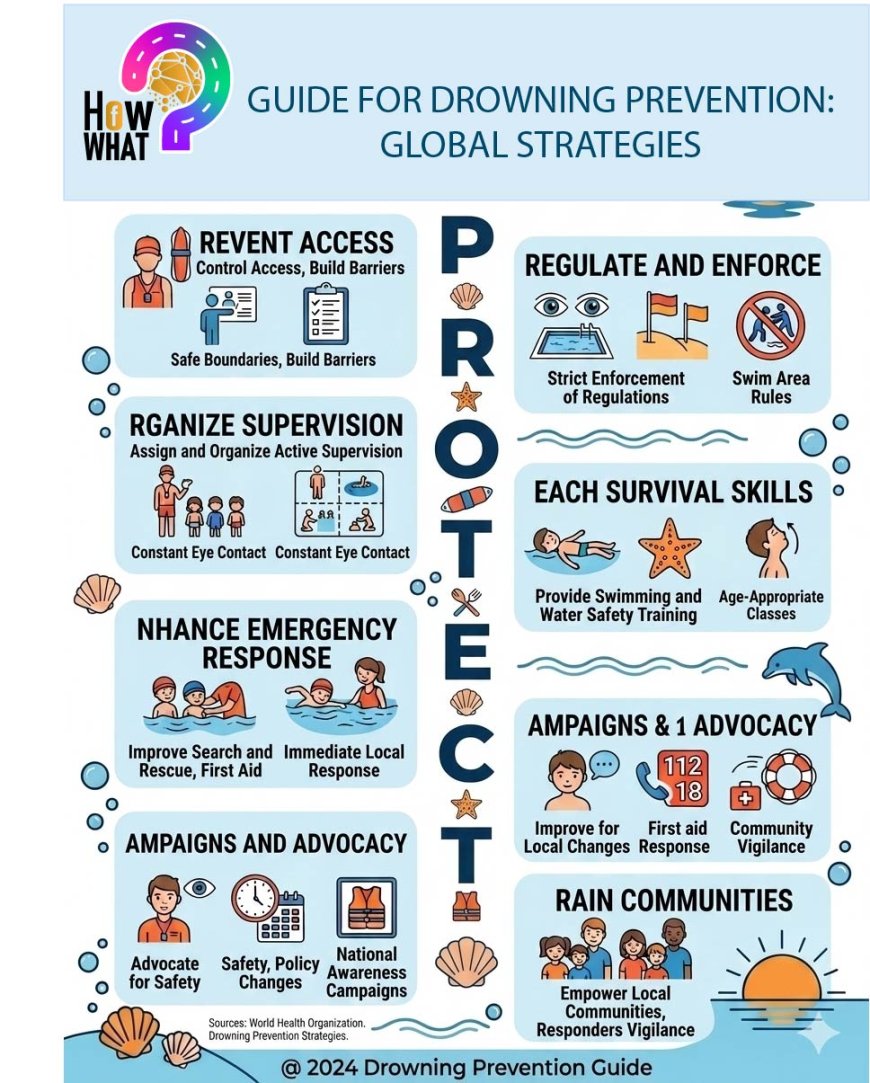
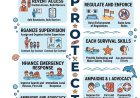
The PROTECT Framework: 7 Core Strategies
P - Physical infrastructure (Barriers & fences)
R - Rescue and resuscitation (Bystander CPR)
O - Occupational safety (Fishermen & water workers)
T - Transport safety standards (Life jackets & safe boats)
E - Education (Swimming & water safety lessons)
C - Child-care systems (Daycares for rural supervision)
T - Threat preparedness (Flood & emergency planning)
P - Physical Barriers: Installing fencing around residential pools and covering open domestic water vessels.
R - Rescue & Resuscitation: Training community bystanders and first responders in safe rescue and CPR.
O - Occupational Safety: Mandating safety protocols for individuals working in fisheries, agriculture, and around open water.
T - Transport Standards: Enforcing strict rules for ferries and boats, including mandatory life jacket usage and capacity limits.
E - Education: Integrating basic swimming lessons and water safety awareness into school curricula.
C - Child-care Systems: Establishing supervised crèches and daycares in rural areas to keep children away from water hazards while parents work.
T - Threat Preparedness: Strengthening early warning systems and community evacuation plans for floods and severe weather.
Essential Water Safety & Survival Techniques
Knowing how to react during an unexpected water emergency can mean the difference between life and death. Memorize these survival skills:
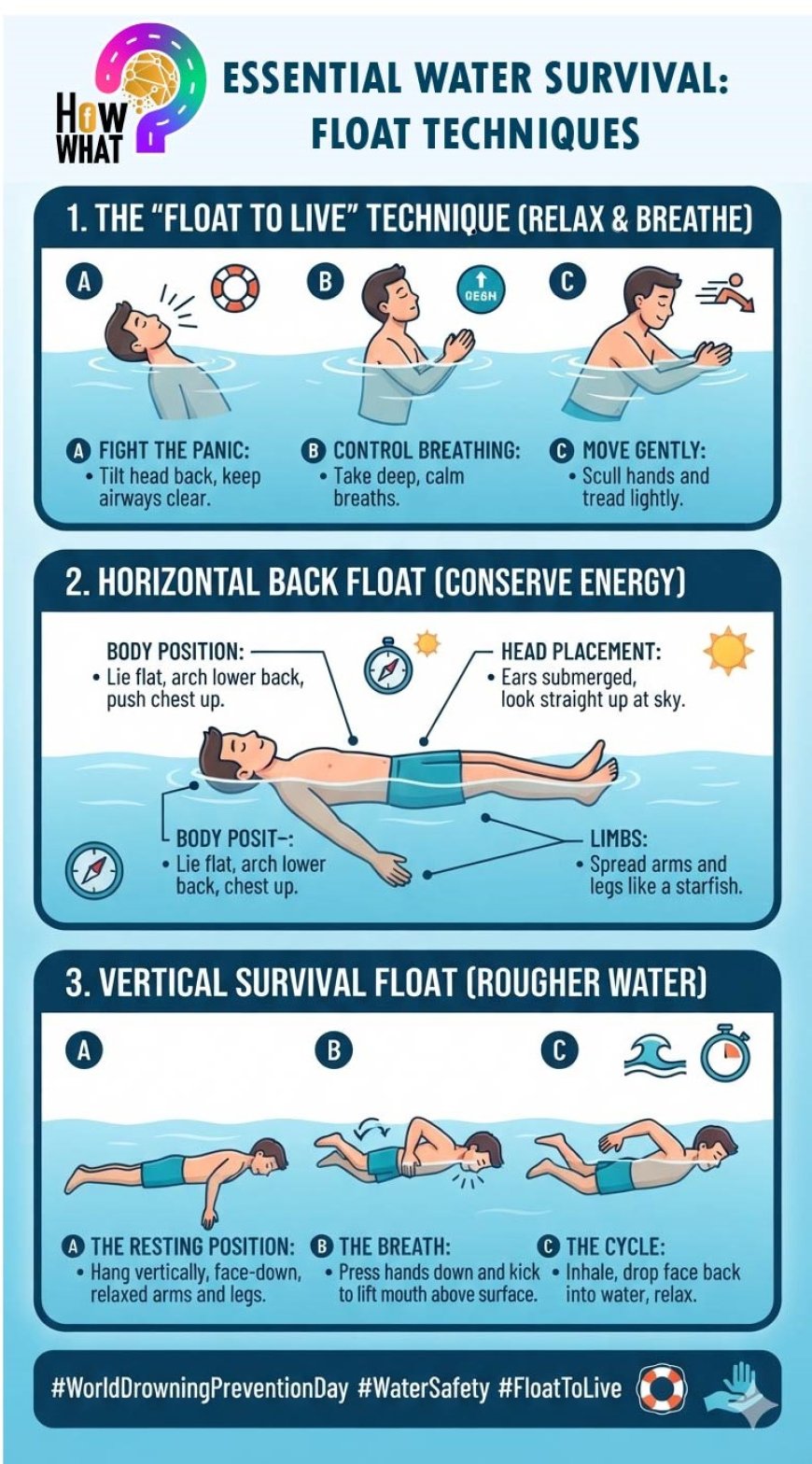
1. The "Float to Live" Technique
If you fall into deep water unexpectedly, your natural instinct may be to thrash and swim hard. This leads to exhaustion and water inhalation. Instead:
Fight the Panic: Tilt your head back and keep your airways clear of the water.
Control Your Breathing: Take deep, calm breaths to help your body naturally float.
Move Gently: Use your hands and feet to tread water lightly if needed until you gain control.
2. Horizontal Back Float (Energy Conservation)
Body Position: Lie flat on your back, arch your lower back slightly, and push your chest upward.
Head Placement: Submerge your ears completely in the water and look straight up at the sky.
Limbs: Spread your arms and legs out like a starfish to distribute your weight evenly.
3. Vertical Survival Float (Drownproofing)
Ideal for rougher water or when you need to conserve energy for long periods:
Resting Position: Let your body hang vertically in the water, face-down, with your arms and legs dangling relaxed.
The Breath: When you need air, gently press your hands downward and kick your legs to lift your mouth above the surface.
The Cycle: Take a deep breath, drop your face back into the water, and relax again.
#WaterSafety #WorldDrowningPreventionDay #FloatingToLive #WaterSmart #UniteToTurnTheTide
What's Your Reaction?
 Like
0
 Dislike
0
 Love
0
 Funny
0
 Angry
0
 Sad
0
 Wow
0